
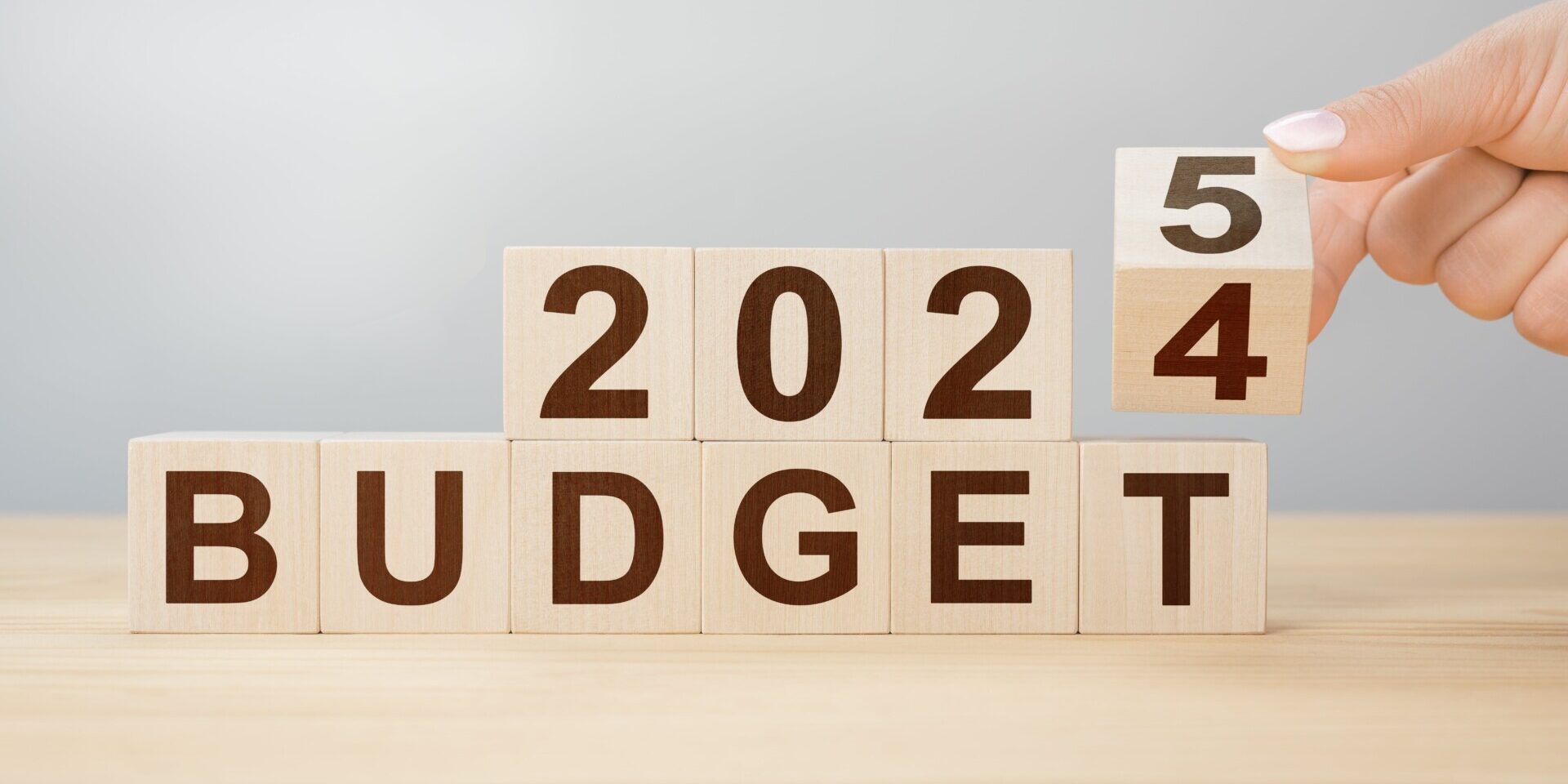
Every January, budgeting tops the list of New Year’s resolutions. It’s the perfect time to set financial goals and imagine a brighter, more financially secure future. But anyone who has tried knows that sticking to a budget for the entire year is easier said than done. By the time March (or even February!) rolls around, the best-laid budget can go off the rails.
Why? Impulse spending, unexpected expenses, and the temptation to reward yourself can all chip away at your commitment. But budgeting doesn’t have to be fleeting or feel like a chore. With thoughtful strategies and manageable habits, you can keep your financial goals on track all year long. Here’s how:
Start With Realistic Goals
One of the biggest mistakes people make when budgeting is setting unrealistic goals. It’s great to aim high, but your budget needs to reflect your actual income, expenses, and lifestyle. Overly aggressive savings goals or cutting discretionary spending too drastically can lead to burnout.
Tip:
Start by categorizing your spending into three buckets – needs, wants, and savings. Aim for the 50/30/20 rule as a guideline:
- 50% Needs: Rent/mortgage, utilities, groceries, insurance, etc.
- 30% Wants: Dining out, entertainment, hobbies.
- 20% Savings/Debt Repayment: Emergency fund, long-term savings, or paying off credit cards.

Track Every Dollar
It’s easy to feel like your money vanishes into thin air, especially with small purchases. Coffee here, a quick takeout meal there – it adds up faster than you think. Regularly tracking your spending keeps you mindful and shows exactly where your money is going.
Ways to track your spending:
- Use free apps like Rocket Money or YNAB (You Need a Budget) to categorize and monitor expenses.
- Go old-school with a spending journal or spreadsheet.
- Check banking apps for tools that analyze how you spend.
Consistency is key. Knowing where your money goes allows you to adjust your habits more effectively.
Plan for the Unexpected
Life is unpredictable. Whether it’s medical bills, car repairs, or last-minute travel, unexpected expenses can throw a wrench into even the most detailed budget. The best way to deal with this is to plan before they happen.
Tip:
Build an emergency fund with at least 3-6 months of living expenses. Contribute a small amount each month – think of it as paying future-you.
Differentiate Between Needs and Wants
One common challenge is blurring the line between needs and wants. Do you need an upgrade to the latest smartphone, or is your current one still perfectly functional? It’s easy to justify extras under the guise of necessity.
Tip:
Before any purchase, ask yourself:
- Is this a true need, or can I wait?
- How will this impact my budget?
- Does this align with my financial priorities?
Prioritizing needs over wants doesn’t mean saying no to everything you enjoy, but it does mean being intentional.
Build in Flexibility
Budgets often fail because they seem too restrictive. A dollar-for-dollar allocation with no wiggle room can quickly feel suffocating leading to frustration and abandoning the plan altogether.
Tip:
Include a ‘fun fund’ for guilt-free indulgences. Whether it’s dining out or a new outfit, giving yourself some freedom can prevent burnout and increase your chances of sticking with your budget.
Avoid the Comparison Trap
Social media makes it tempting to splurge on things you don’t really need, especially when you see your friends’ booking trips, eating out at trendy restaurants, or showing off new vehicles. Remember, most people don’t share the full story of their finances online.
Tip:
Focus on your own goals and progress. Celebrate milestones like paying off a debt or boosting your savings, no matter how small. Financial well-being isn’t about keeping up with others – it’s about aligning your money with your values.
Automate Your Savings
The phrase ‘pay yourself first’ exists for a reason. Automating your savings is one of the simplest ways to stay consistent without having to think about it. When you treat savings like an expense, you’re less likely to spend it elsewhere.
Tip:
Make saving effortless by setting up automatic transfers to your savings account or a Club Savings Account as soon as your paycheck hits your bank account. It’s easy to get started through Park View’s online banking or mobile app.
Review and Adjust Monthly
Budgets are not a set-it-and-forget-it tool; they require some tweaking along the way. Your income, expenses, or goals may shift throughout the year, so make sure your budget evolves with you.
Tip:
At the end of each month, assess your spending habits. Did you stick to your plan? Did you overspend in any areas? Use this information to modify next month’s budget and keep improving.

Use Visual Reminders
Sometimes, the difference between sticking to a budget and losing motivation is just a visual nudge. A reminder of why you’re budgeting can help you keep going when temptation arises.
Tip:
Create a vision board, screensaver, or even a sticky note with your biggest financial goals – whether it’s saving for your first home, paying off debt, or a dream vacation. Seeing it daily can remind you to stay focused.
Celebrate Progress
Budgeting isn’t easy, so it’s important to give yourself credit for the progress you make along the way, no matter how small. Meeting financial goals isn’t just about getting to the destination – it’s about the journey along the way.
Tip:
Build in small rewards for yourself. Hit a savings milestone? Treat yourself to a nice dinner or something you’ve been eyeing (within reason!).
Final Thoughts
Budgeting may begin as a New Year’s resolution, but its benefits go far beyond January. Done right, it empowers you to achieve financial freedom, a dream vacation, or peace of mind.
The trick? Consistency, flexibility, and a healthy dose of self-kindness. Start small, stay mindful, and watch as you turn budgeting into a lifelong habit that pays off.
Share This
You May Also Like
Should You Freeze Your Credit? What to Know Before You Do

Why Naming a Beneficiary on Your Account Is Important