

Bitcoin ATM Scams Are on the Rise: What You Need to Know to Protect Yourself
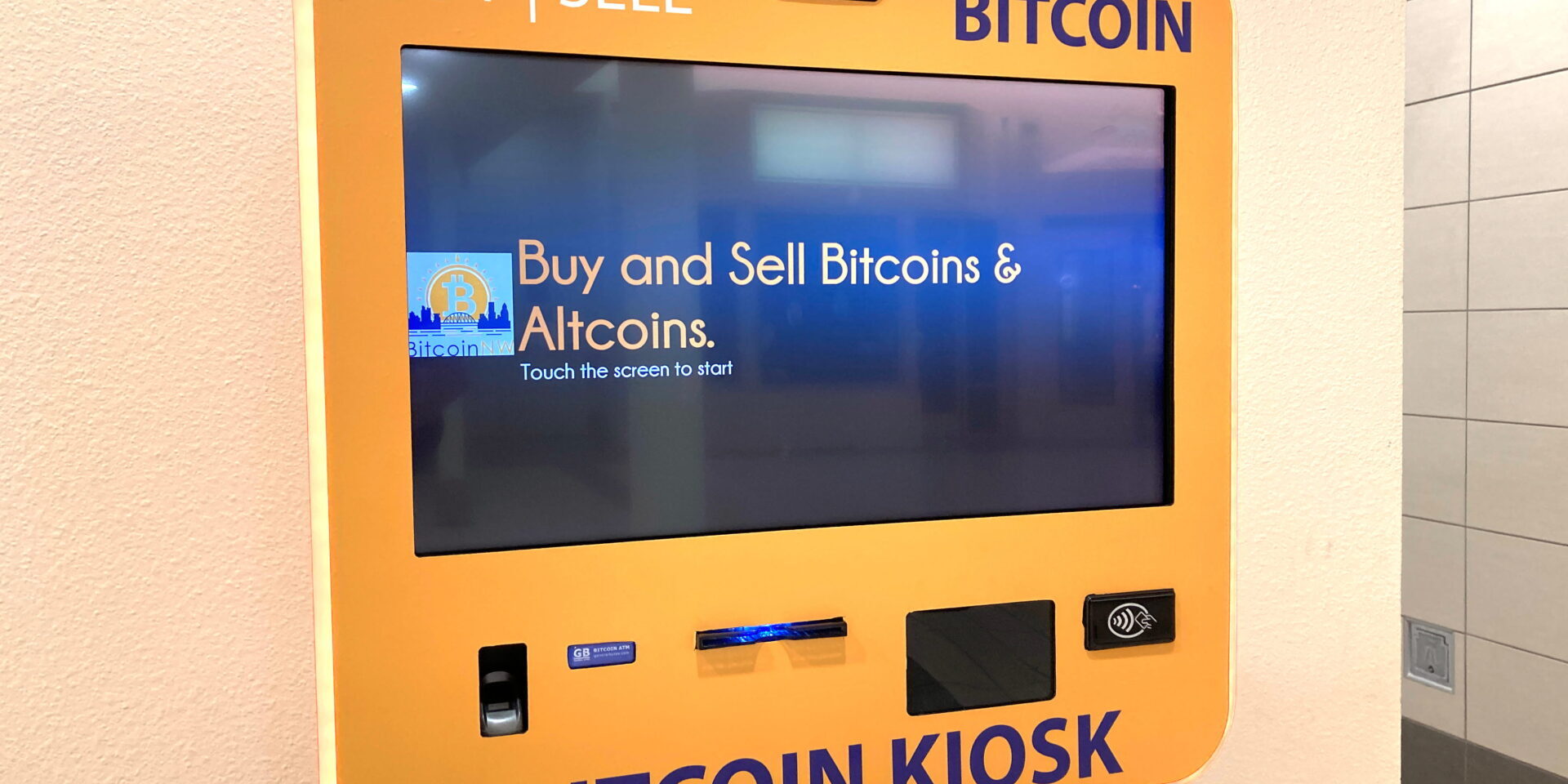
Bitcoin ATMs, also called crypto ATMs or BTMs, are popping up in gas stations, convenience stores, malls, and corner shops. At first glance, they look like the standard ATM you might use at your credit union or bank, but instead of giving you cash, they allow users to deposit cash and send cryptocurrency, such as Bitcoin, instantly.
Understanding how Bitcoin ATMs work, and how scammers misuse them, can help you recognize warning signs, slow down, and protect yourself and your money.
-
1. What is a Bitcoin ATM
-
2. Why Criminals Love Bitcoin ATMs
-
3. How a Bitcoin ATM Scam Works
-
4. Warning Signs of a Bitcoin ATM
-
5. How to Protect Yourself
What is a Bitcoin ATM?
A Bitcoin ATM is a machine that lets you turn cash into digital money, most commonly Bitcoin. Some machines offer other types of cryptocurrencies as well.
Instead of depositing money into a checking or savings account, the cash is sent to a digital wallet online. Most Bitcoin ATMs only work one way. You put cash in, and cryptocurrency is sent out.
Key features of Bitcoin ATMs:
- No credit union or bank account required
- No long approval process
- Cash is used for payment
- Transfers happen immediately
Why Criminals Love Bitcoin ATMs
Scammers are drawn to Bitcoin ATMs because they are fast, simple, and nearly untraceable.
Bitcoin ATMs often allow cash deposits with very little verification. Once cash is converted into cryptocurrency, it becomes extremely difficult to track or recover. Criminals know this and take advantage of it. The transactions are also immediate, which means there are no refunds, no chargebacks, and no stop payment options. Once the money is sent, it is gone for good.
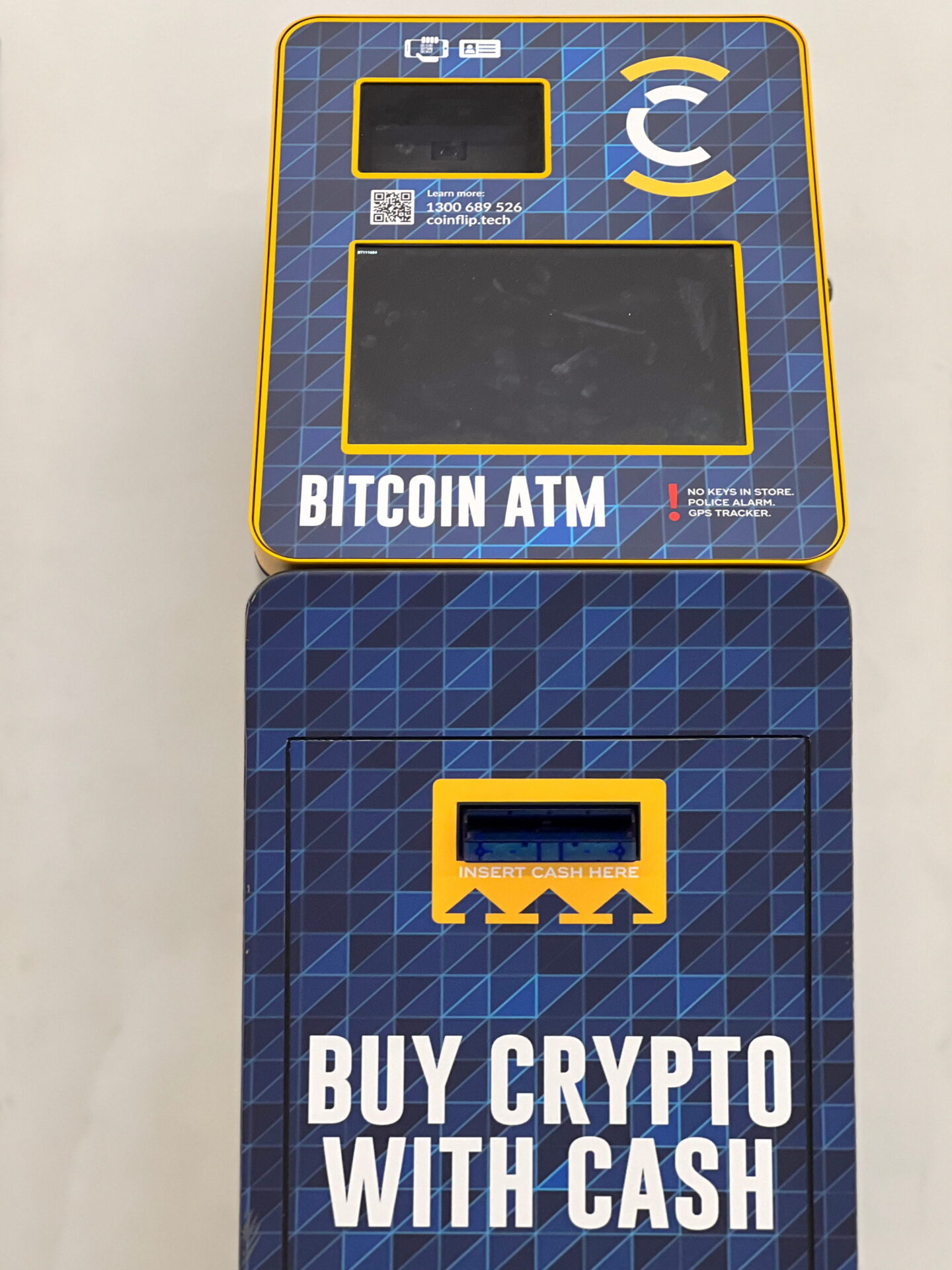
How a Bitcoin ATM Scam Works
Bitcoin ATM scams often start with a call, message, or pop-up that creates fear and urgency. Scammers want you to act quickly, before you have time to think or ask questions.
Common tactics include:
- Calls claiming suspicious activity on your bank or investment account
- Messages about unauthorized charges
- Fake pop-ups from companies like Microsoft, Apple, or other trusted names
The scammer will then instruct you to withdraw cash, go to a Bitcoin ATM, and scan a QR code they provide. The money is sent directly to the scammer’s cryptocurrency wallet and cannot be recovered.
Warning Signs of a Bitcoin ATM Scam
Fraudsters may use different stories, but the warning signs are almost always the same. It is a scam if anyone tells you to deposit cash into a Bitcoin or cryptocurrency ATM.
Stop immediately if someone:
- Tells you to pay a bill, fee, fine, or debt using a Bitcoin or crypto ATM.
- Sends you a QR code and tells you to scan it at the machine.
- Pressures you to act right now or says it is an emergency.
- Claims the ATM is “secure,” “safe,” or “government approved.”
- Says cryptocurrency is the only way to make the payment.
No legitimate business, government agency, or financial institution will ever demand payment through a Bitcoin ATM.
-
If anyone directs you to a Bitcoin ATM, stop immediately. That is a clear warning sign of a scam.
How to Protect Yourself
A few simple steps can help keep you safe from becoming a victim of a Bitcoin ATM scam:
-
Never send cryptocurrency to someone you do not personally know and trust.
-
If anyone asks you to use a Bitcoin ATM, assume it is a scam.
-
Do not deposit cash into a crypto ATM in exchange for a QR code.
-
Do not click links or respond directly to unexpected calls, text messages, emails, or computer pop-ups.
-
If you think a message might be legitimate, contact the company or agency directly using a phone number or website you look up yourself. Do not use the contact information they give you.
-
Slow down. Scammers rely on fear and urgency. It is okay to hang up the phone, take a break, talk with someone you trust, or contact your financial institution before taking action.
-
Remember, there are no guaranteed investments or “quick money” opportunities. If it sounds too good to be true, it probably is.
A Final Reminder
Cryptocurrency ATMs themselves are not unsafe, but scammers have learned how to exploit them. If anyone directs you to a Bitcoin ATM, take it as a clear warning sign. Stop, breathe, and rethink the situation.
Share This
You May Also Like
Don’t Get Burned: How to Spot and Avoid Scams

5 Online Shopping Safety Tips

How to Protect Children and Teens Against Online Scams
Want to learn more?
Discover additional resources and other financial topics by visiting our Financial Education Center.