


Love shopping from your phone or laptop? You’re not alone. Over 85% of Americans shop online, taking advantage of the convenience to read reviews, compare products, and score great deals, especially during the holiday season.
But as easy as online shopping is, it comes with risks. Digital fraud attempts spike during the holidays, with Black Friday being one of the most common days for scams. To help you shop confidently and securely, here are five essential online shopping safety tips to keep your holiday season merry, bright, and fraud-free.
1. Use Secure Websites
Before entering your payment information, make sure the website is secure. Look for “https://” at the beginning of the web address and a padlock icon in the browser. Avoid unfamiliar sites that don’t show these signs—they could be phishing scams designed to steal your information.
2. Protect Your Passwords
You’ve probably created accounts at your favorite stores to earn rewards and speed up checkout, but don’t let convenience compromise security. For each account, create a strong, unique password that is a combination of uppercase and lowercase letters, numbers, and symbols. Avoid easy-to-guess details like your birthday or “password123.” For added protection, consider using a password manager to securely store and manage your login credentials.
Bonus Tip: Enable two-factor authentication (2FA) wherever possible for an extra layer of protection.
3. Avoid Public Wi-Fi for Shopping
Before you click “Buy Now” while connected to public Wi-Fi, think twice! While connecting to the public Wi-Fi at your favorite coffee shop might be convenient, these networks are often unsecured, making it easy for hackers to capture sensitive information that you transmit through the network. It’s best to avoid logging into your bank account, shopping online, or doing anything that involves your personal or payment information when you are connected to an unsecured public Wi-Fi network. Skip the public Wi-Fi and wait until you’re connected to a secured Wi-Fi or use your phone’s mobile data for a secure, private connection.
4. Think Before You Click
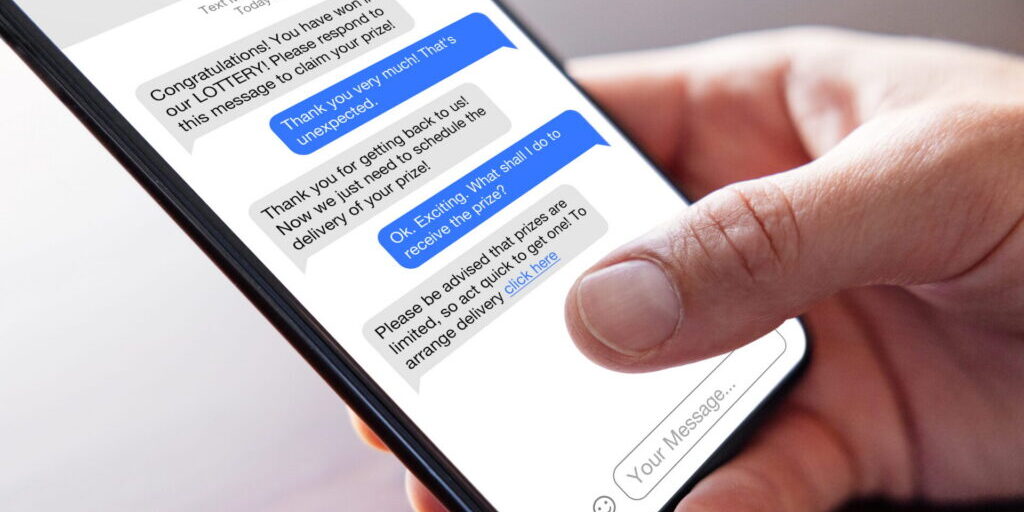
Be cautious of emails or texts that seem suspicious or promise deals that are too good to be true. Scammers often use smishing—fraudulent text messages designed to look like shipping updates, delivery delays, or urgent account alerts—to pressure you into clicking a link or sharing personal information. Never click on links in messages you’re unsure about. Instead, go directly to the retailer’s official website or app to check your order status. If an offer seems enticing, verify that it’s from a legitimate retailer and that the web address is correct before taking any action.
5. Keep Tabs on Your Statements & Transactions
Regularly reviewing bank accounts and credit or debit card transactions is always a smart habit—but it’s especially important during the holiday season when spending tends to increase. Monitoring statements and turning on alerts helps catch unauthorized charges early and prevent bigger issues. At Park View, consider turning on account alerts and debit card alerts for real-time monitoring. Choose to receive emails, text messages, or a push notification for debit card transactions, withdrawals, and more.
Online shopping should be fun, convenient, and rewarding. By staying vigilant and protecting your personal information, you can enjoy the thrill of finding great deals without the stress of fraud.
Share This
You May Also Like
Don’t Get Burned: How to Spot and Avoid Scams

Bitcoin ATM Scams Are on the Rise: What You Need to Know to Protect Yourself

How to Protect Children and Teens Against Online Scams
Want to learn more?
Discover additional resources and other financial topics by visiting our Financial Education Center.