

Key Takeaways
As children, we learn to "stop, drop, and roll" if we ever catch on fire. It's a simple, memorable action plan for a moment of panic. This lesson is drilled into us for a good reason—it works. But what if we applied a similar principle to another kind of emergency, one that threatens our financial well-being? When it comes to scams, we need a new mantra: stop, think, and verify.
Scammers thrive on urgency and emotional manipulation. They create a sense of crisis that prevents us from pausing to think critically. A frantic phone call, a too-good-to-be-true offer, or a threatening email can push us into making rash decisions we later regret. This article will help you recognize the warning signs of a financial scam, understand the tactics criminals use, and learn practical steps to protect your hard-earned money.
The Psychology of a Financial Scam
Financial scams are not just about tricking people; they are about exploiting human nature. Scammers are masters of social engineering, using psychological triggers to bypass our logical thinking. By understanding their methods, you can better defend against them.
-

Creating a Sense of Urgency
One of the most common tactics is manufacturing a crisis. You might get a call claiming a loved one is in trouble and needs money immediately. Or an email might state your account has been compromised and you must click a link within minutes to secure it. This manufactured pressure is designed to make you act before you have time to think. The goal is to short-circuit your rational brain and trigger a fight-or-flight response.
-

Tugging at Your Heartstrings
Another powerful tool is emotion. Scammers might pose as a charity after a natural disaster, knowing people are more likely to give generously during times of collective grief. They might also create a romantic connection online, building trust over weeks or months before fabricating an emergency that requires financial help. These emotional pleas are designed to make you feel empathy or fear, compelling you to act against your better judgment.
-

The Lure of an Unbelievable Deal
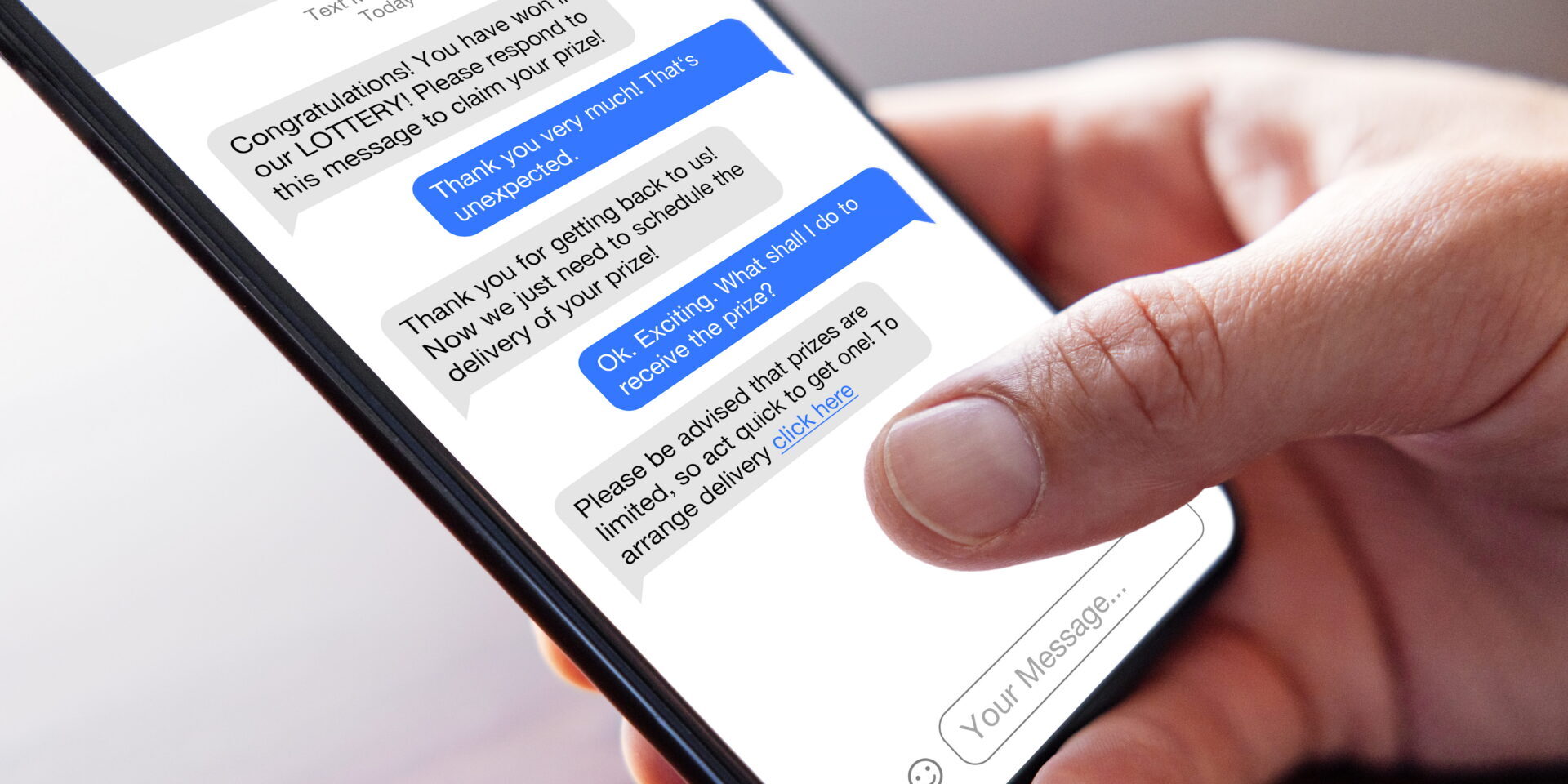
Everyone loves a good deal, and scammers know it. They create offers that seem too good to pass up. A lottery you don't remember entering, a guaranteed high-return investment, or a massive discount on a popular product. The promise of easy money or an incredible bargain can be intoxicating, causing you to overlook obvious red flags. Remember the old saying: if it seems too good to be true, it probably is.
Common Financial Scams to Watch For
While scammers are always inventing new schemes, many fall into familiar categories. Recognizing these common patterns is your first line of defense.

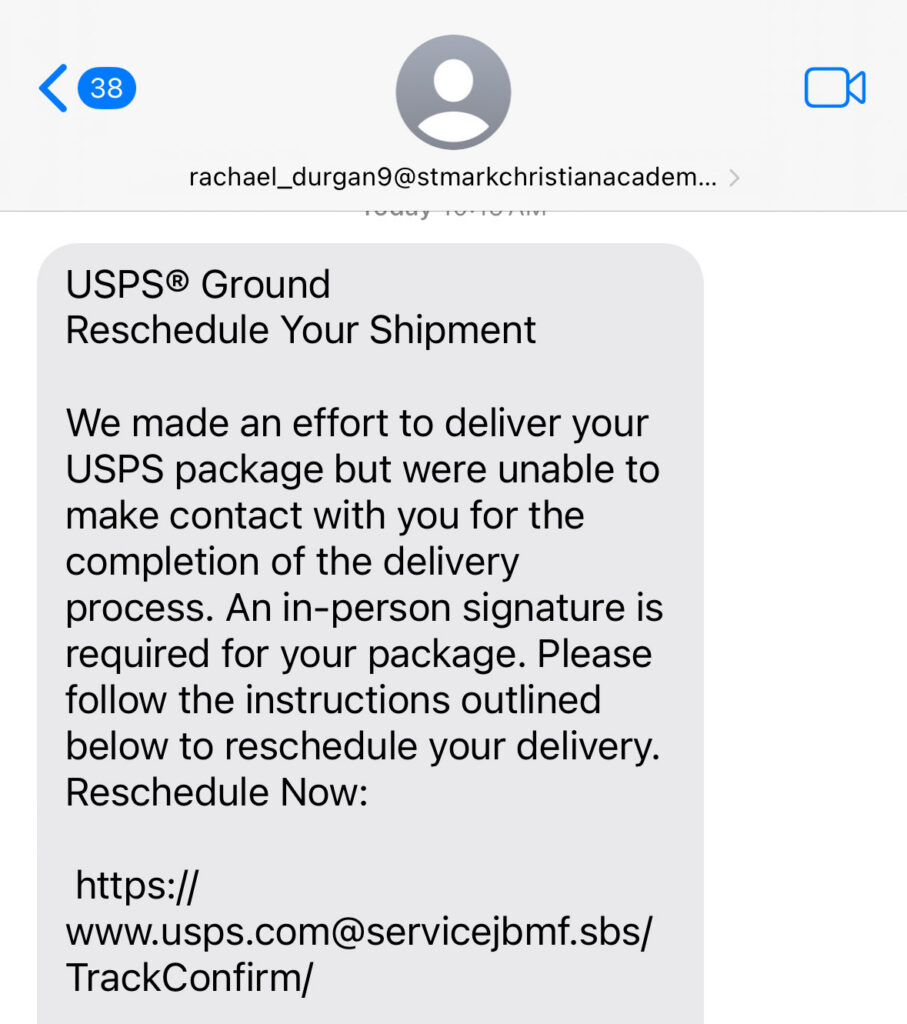

Your Action: Stop Think Verify
Just like "stop, drop, and roll," having a simple, repeatable plan can protect you when you encounter a potential scam.
-

Stop
The moment you feel pressured, rushed, or overly emotional about a financial decision, just stop. Do not click the link. Do not send the money. Do not give out your information. The urgency is almost always artificial. A legitimate organization will give you time to think and verify details. Take a deep breath and disengage from the situation. Hang up the phone, close the email, or walk away from the computer.
-

Think
Once you have created some distance, engage your critical thinking. Ask yourself important questions:
- Why is this person contacting me? Did I initiate this?
- Does this request make sense? Why would the IRS want payment in gift cards?
- Is this offer realistic? Can I really win a lottery I never entered?
- Are there any red flags? Look for poor grammar, mismatched email addresses, or high-pressure language.
Talking it over with a trusted friend or family member can also provide a valuable second opinion. Explaining the situation out loud can often reveal how illogical the scammer's request really is.
-

Verify
Before you take any action, independently verify the information.
- Look up the official contact information. If an email or call claims to be from your financial institution, do not use the phone number or link provided in the message. Instead, find their official number on your statement or the back of your card and call them directly.
- Check with the source. If a friend or family member supposedly needs help, contact them through a known, trusted channel to confirm the story.
- Do your research. For investment offers or online sellers, search for the company's name along with words like "scam," "review," or "complaint."
Protecting Your Financial Future
Scammers are constantly evolving their tactics, but their core strategies of creating urgency and manipulating emotions remain the same. By learning to recognize these red flags and adopting the "Stop, Think, Verify" method, you can build a strong defense against financial fraud. Just as you know what to do in a fire, you can now equip yourself with the knowledge to handle the heat of a scammer's pressure tactics and keep your finances safe.
Share This
You May Also Like

Bitcoin ATM Scams Are on the Rise: What You Need to Know to Protect Yourself

5 Online Shopping Safety Tips

How to Protect Children and Teens Against Online Scams
Want to learn more?
Discover additional resources and other financial topics by visiting our Financial Education Center.