
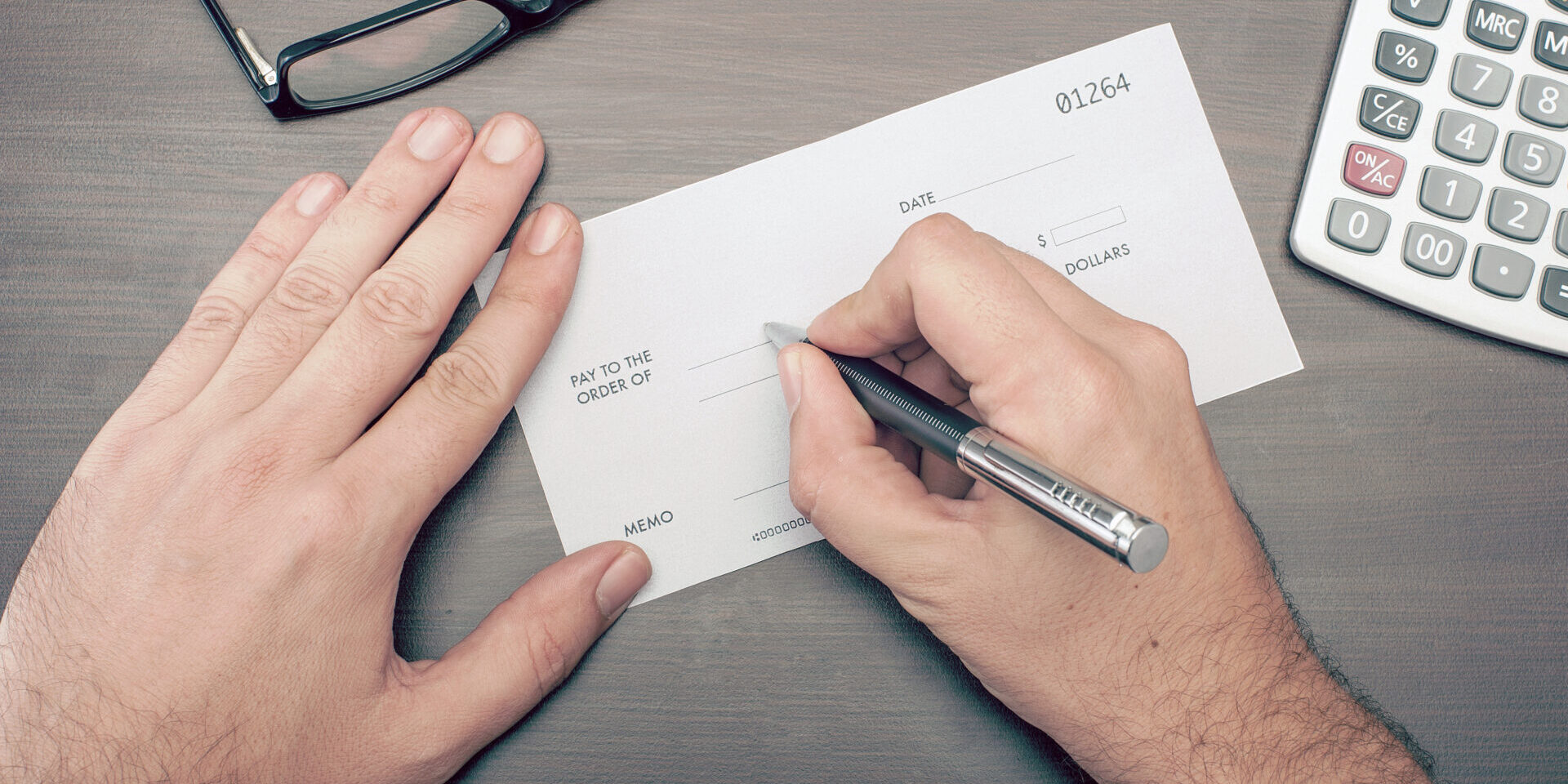
As financial scams become more sophisticated, many people are familiar with risks like phishing, identity theft, and online payment fraud. But check fraud remains a significant threat. Criminals continue to target paper checks because they contain valuable financial information and can be altered, copied, or used to make unauthorized payments.
According to the 2026 Association for Financial Professionals (AFP) Payments Fraud and Control Survey Report, checks were the most frequently reported payment method subject to fraud.
The good news is that there are simple steps you can take to reduce your risk. From choosing digital payments whenever possible to securing the checks you do write and monitoring your account activity, these five tips can help protect your money from check fraud.
How Does Check Fraud Happen?
Check fraud occurs when someone uses a check to illegally obtain money that doesn’t belong to them. This can involve forging a signature, changing the details on a legitimate check, or creating a completely fake check. The goal is to deceive a financial institution into sending money to the wrong person.
Mail theft is one of the most common ways criminals obtain checks. Fraudsters target residential mailboxes, apartment mailrooms and public collection boxes for payments like rent checks, utility bills or personal checks. Once a check is stolen, it can be altered or used to create a counterfeit version.
One common method of altering a stolen check is check washing, which involves removing the original ink and replacing the payee and dollar amount. The fraudster can then deposit or cash the altered check.
How to Prevent Check Fraud

Pay Digitally
One of the simplest ways to reduce your risk of check fraud is to use digital payments whenever possible. The fewer paper checks you write and send through the mail, the fewer opportunities there are for a check to be lost, stolen or intercepted. Credit card payments, mortgage or rent, insurance premiums, charitable donations, and many other payments can typically be made by logging in directly to the company’s website or payment platform and pay using your routing and account number(opens in new tab), usually with no added fees. Digital payments can also provide payment confirmations, transaction history and account alerts, making it easier to track your payments and have peace of mind knowing your bill was paid on time.
If you’d rather not manage multiple websites and logins, your financial institution’s Online Bill Pay service allows you to manage all your payments in one place. You can schedule one-time or recurring payments directly through online banking or the mobile banking app, helping you stay on top of due dates and avoid missed payments. For businesses that don’t accept electronic payments, Park View’s Online Bill Pay can mail a check on your behalf, reducing the number of paper checks you need to write and handle yourself.

Monitor Your Account Regularly
Regularly reviewing your account activity can help you know when a check has cleared and confirm that it was processed correctly. You can monitor your account through online banking, your mobile banking app, or telephone teller.
Consider setting up account alerts to notify you about withdrawals, so you’ll know exactly when a check clears your account. When a check clears, review the check image and make sure the payee and dollar amount match what you originally wrote and look for anything that appears unusual.
Regularly monitoring your account can help you catch a check that was altered or duplicated. The sooner you spot something suspicious, the sooner you can contact your financial institution and take steps to limit further fraudulent activity.

Use a Permanent Gel Pen When Writing Checks
When writing a check, consider using a permanent gel ink pen instead of a ball-point pen. Gel ink can be more difficult to remove from paper, which may make it harder for fraudsters to change the information on your check.
However, no pen can completely prevent check fraud, so combine this habit with regular account monitoring and secure mail practices to help prevent check fraud.

Mail Your Checks Securely
Because mail theft is a common way criminals obtain checks, it’s best to avoid mailing paper checks whenever possible. If you do need to mail a check, take a few precautions to reduce the risk of check fraud.
First, use an envelope that fully conceals its contents, such as a security envelope. A security-lined envelope can provide an additional layer of privacy by making it harder to see the check through the paper.
Once the check is ready to be mailed, avoid leaving outgoing checks in your residential mailbox. Instead, take them directly to a USPS location or place them in a secure USPS collection box.

Act Quickly If Something Looks Suspicious
If you notice a check you don't recognize, an unfamiliar transaction, or a change to a check's payee or amount, don't wait to report it.
Contact Park View Federal Credit Union or your financial institution immediately. The sooner you report suspicious activity, the sooner you can work with your financial institution to determine what happened and take appropriate steps to protect your account.
Protect Yourself from Check Fraud
Check fraud can happen to anyone, but making changes such as paying digitally when you can, watching your account closely, and handling checks with care can make it harder for fraudsters to succeed.
If you have questions about protecting your accounts or notice anything suspicious, Park View is here to help.
Share This
You May Also Like
How to Prevent Check Fraud: 5 Ways to Protect Your Money

Private vs. Federal Student Loans: What to Know Before Borrowing